DSPIRA
Digital Signal Processing in Radio Astronomy (DSPIRA) is an NSF Research Experiences for Teachers (RET) in Engineering and Computer Science Site at the West Virginia University Lane Department of Computer Science and Engineering.
Check out this short video for a quick introduction to DSPIRA
https://www.youtube.com/embed/mfUJNtRLFJY
As explained in the video this program was designed to be provide teachers the training and materials in the field of Radio Astronomy. This acts as a stepping stone for an eclectic journey through science and engineering with the given context in Astronomy. The culmination of this program are lessons and exercises designed by the participating cohort of teachers themselves. These lessons involve all aspects of Radio astronomy from building a radio telescope to its operation:
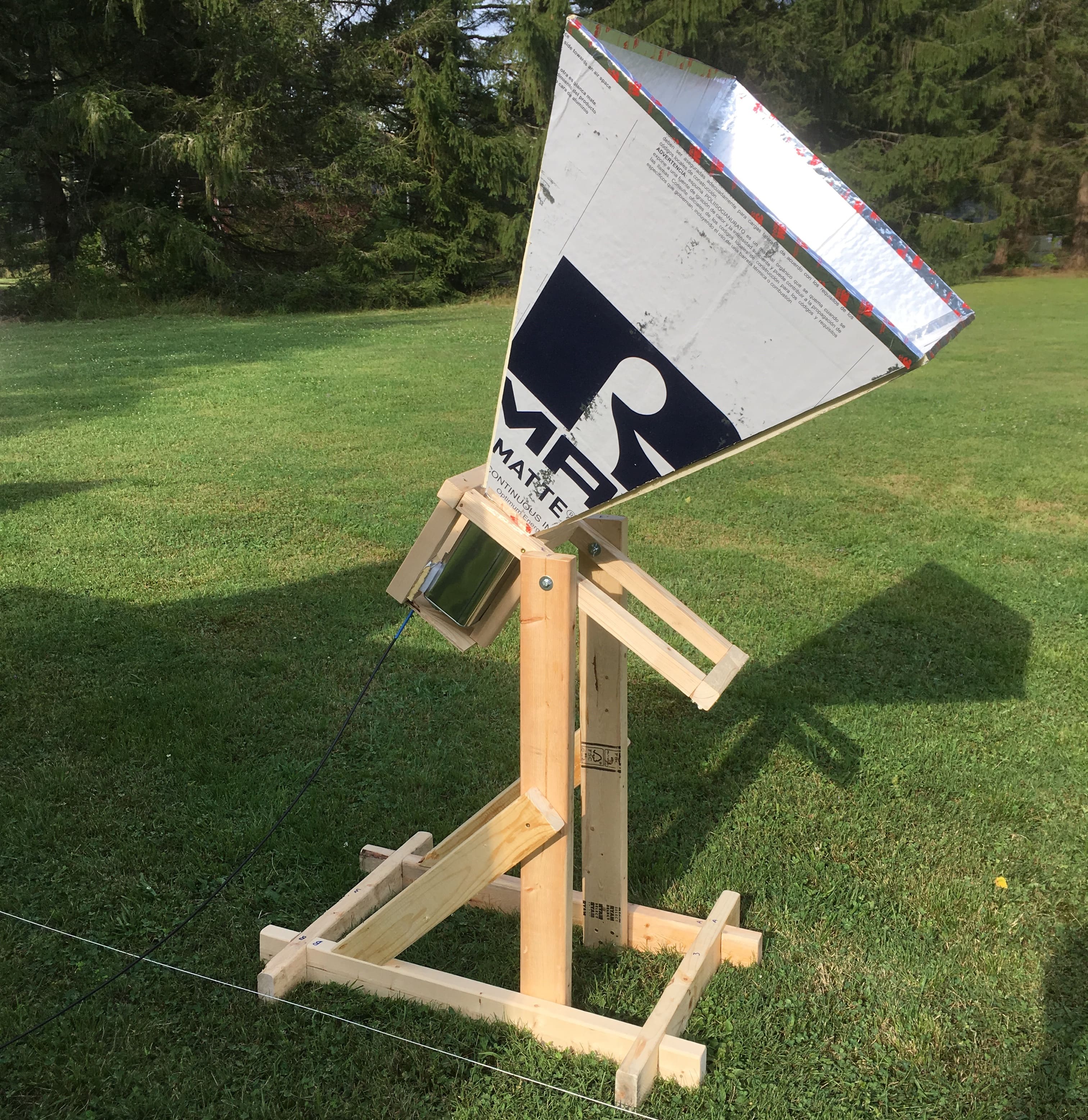
A horn telescope, which consists of 3 major parts: the antenna, the support stand, and the back-end electronics, is easy to build. The cost is only a few hundred dollars. Click here for detailed instructions for constructing a horn telescope.
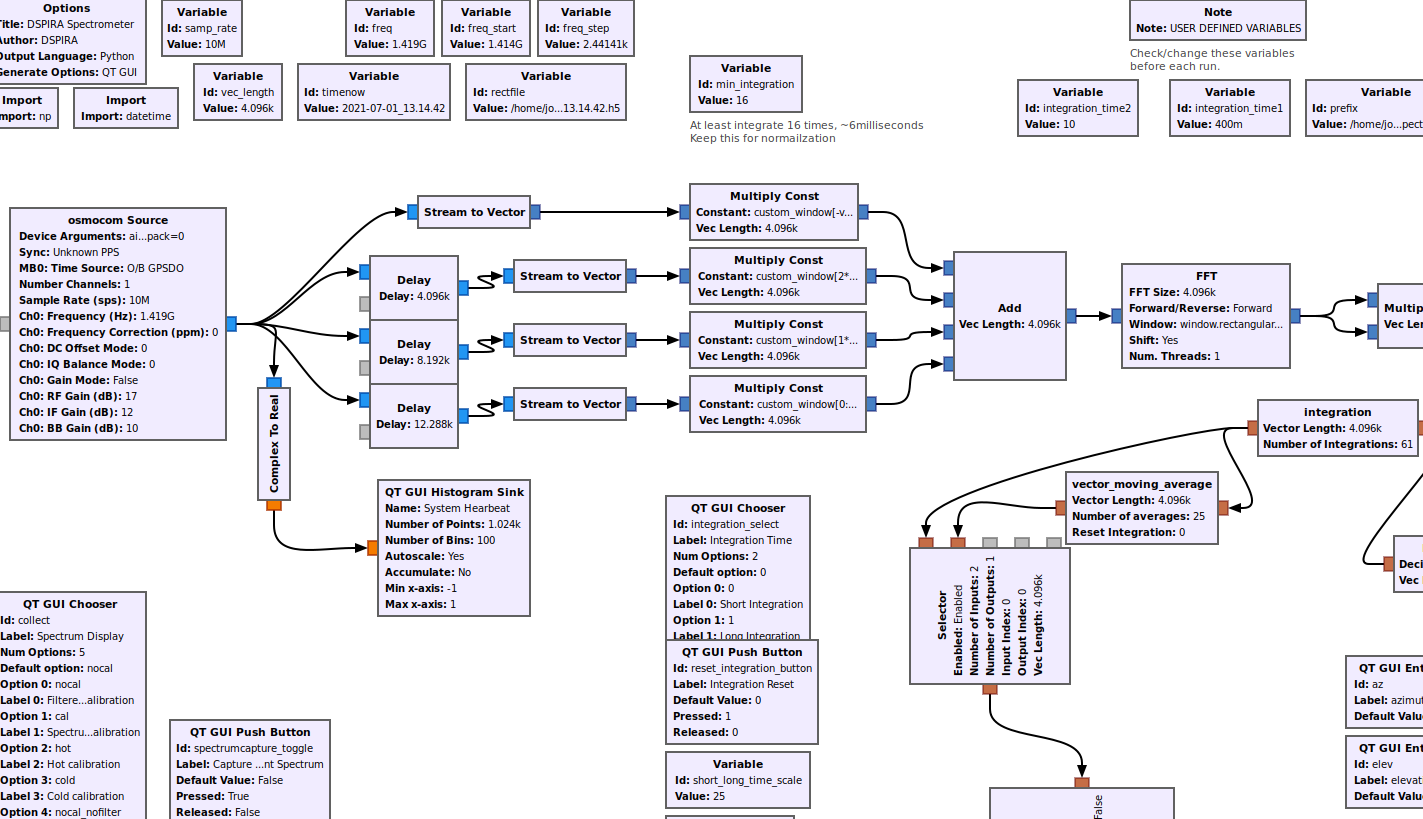
The horn telescope uses digital signal processing (DSP) technology to operate, which requires proper software to use. Click here for computer hardware and software options and detailed instructions for installing.
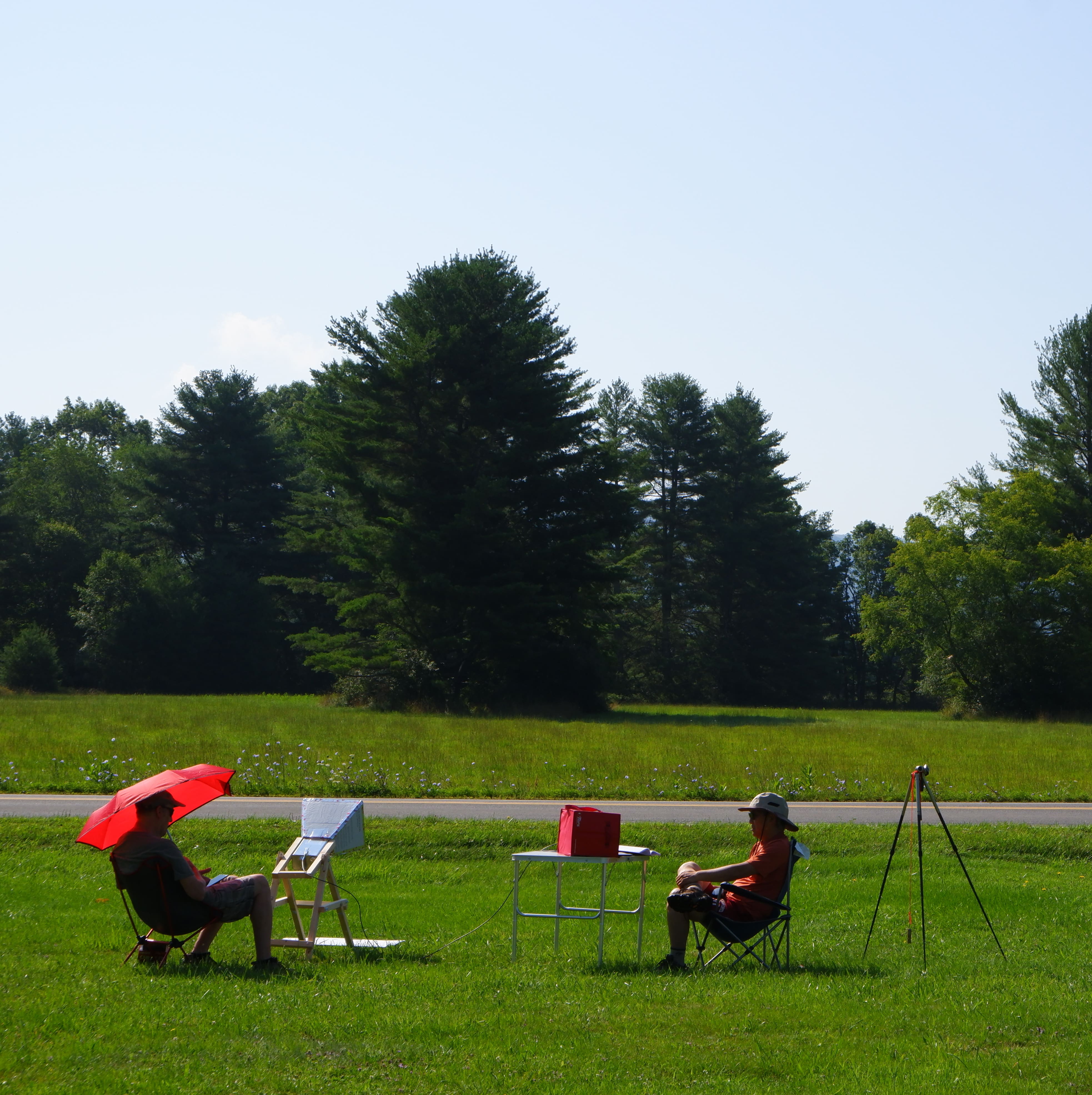
You’ve built a horn telescope. Now what? How do I set it up? How do I take measurements with it? No problem! Click here for detailed instructions for operating a DSPIRA horn telescope, including instructions for doing interferometry with two horns.
Activities using GnuRadio for digital signal processing.
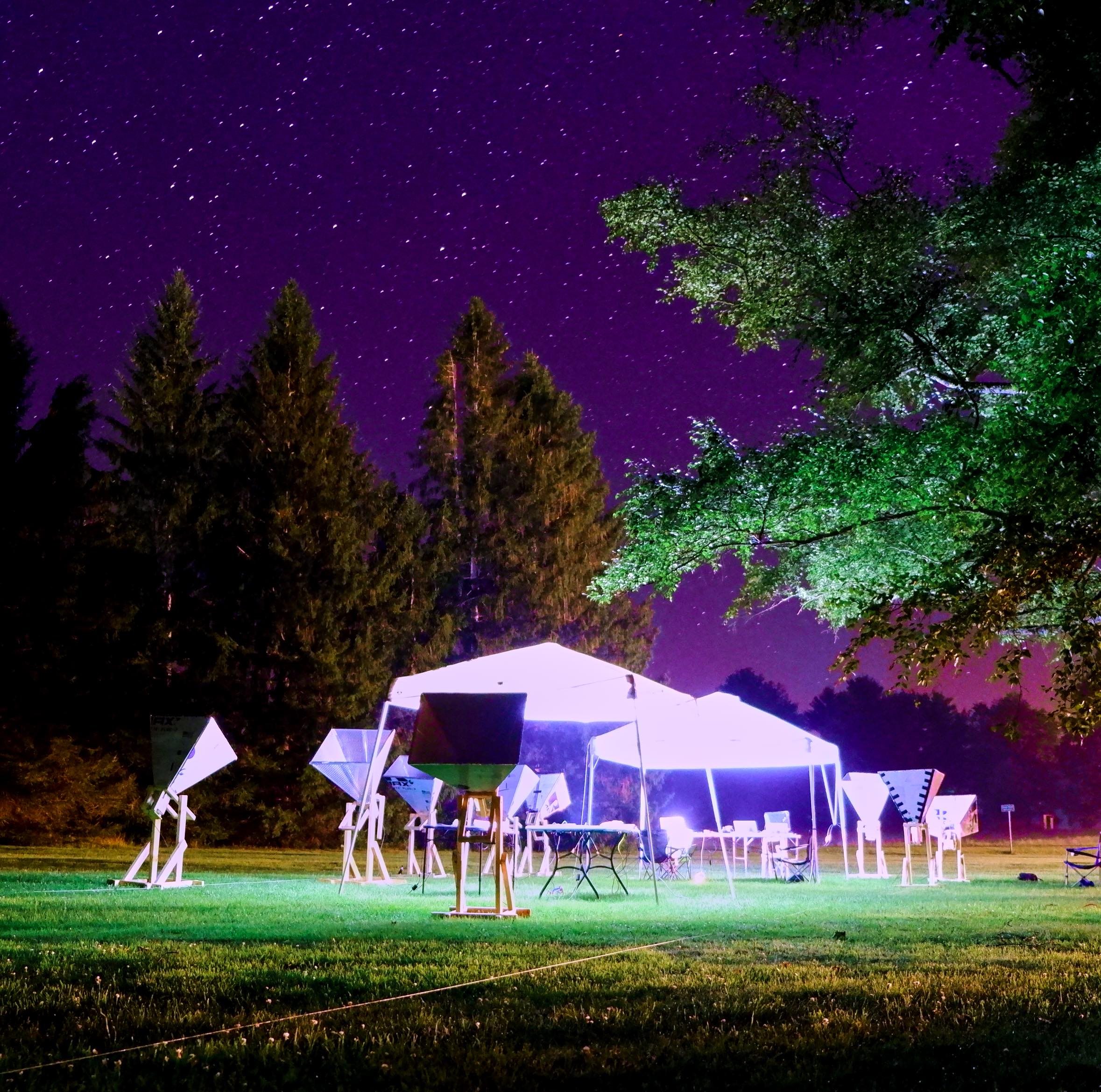
The radio horn telescope to be used for some basic observation and research that could be done at the high school level, or for enthusiast hobbyists. Click here to access the Astronomy Module, which delves into the topics within astronomy that can be investigated using a horn telescope.
All of the modules are organised in this page:
These lessons are in the form of posts tagged according to user confort levels from teachers in schools to afficianados:
All of our offerings are here:
If you would like to contribute to your own radio astronomy lessons please email us and use this:
Visit the forums to start a discussion:
Lightwork memo series: Many hands make light work
The LightWork Memo series is an informal series of numbered memoranda on topics related to Citizen Science with Radio Telescopes.
This series is intended to encourage the public in the United States, and throughout the world, to collaborate on the design, construction and operation of Radio Telescopes for the purpose of furthering science, engineering and education. The creation of a memo series is motivated by the success that a focused memo series can have on organizing design and construction of large astronomical facilities.
Request a Radio Telescope kit
This starter-kit request form was intended for educators and community organizers who needed equipment such as SDR dongles and 21cm LNAs for radio astronomy activities. The form asked for shipment details and plans for work with students or community groups.
The original request form is no longer available. Requests through this form are closed.